Scope Of Operations
Site Clearance
Utility & Obstruction Identification: Review utility maps and conduct ground scans to identify and clearly mark all live or redundant services (water, gas, electricity, telecoms) prior to breaking ground. Ensure live services are safely isolated or bypassed. Vegetation Clearance & Tree Removal: Fell and remove designated trees, heavy scrub, undergrowth, and invasive plant species within the development footprint. Grubbing & Subsurface Removal: Dig out, unearth, and remove tree roots, buried logs, and deep stumps to prevent future organic decomposition and soil instability. Demolition of Minor Redundant Structures: Break down and lift minor hardstanding materials, including concrete slabs, old tarmac, boundary walls, footings, and redundant fencing using hydraulic breakers and attachments. Debris & Waste Management: Sort, segregate, and stockpile cleared materials on-site. Separate recyclable aggregates (concrete, brick) from organic waste and hazardous materials to minimize landfill impact. Topsoil Stripping & Stockpiling: Strip the specified depth of organic topsoil from the footprint. Stockpile the soil in designated zones, profiling the mounds to allow free surface drainage and prevent wind-blown dust or cross-contamination. Site Demobilization: Clean all heavy plant machinery, remove temporary site facilities, and safely transport all equipment off-site upon final approval of the works.
Muckshift
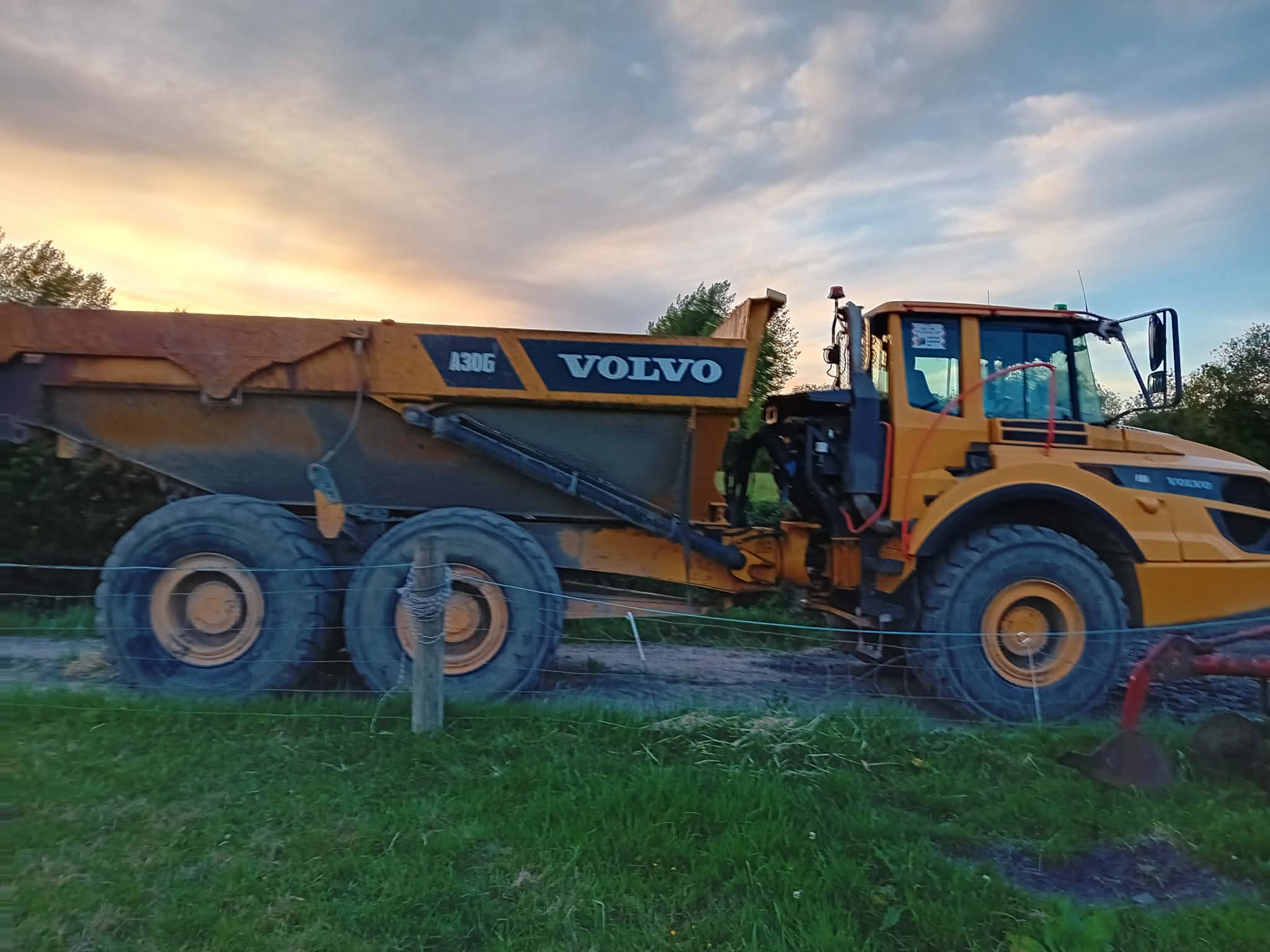
Our Muck Shifting & Bulk Excavation Services: We provide comprehensive muck shifting and soil management solutions for residential, commercial, and civil engineering projects. Equipped with a modern fleet of Dumptrucks, Dozers and Heavy Excavators, we handle ground clearance of all scales safely, efficiently, and in full compliance with environmental regulations. Our core services include: Bulk Excavation & Earthworks: Complete site leveling, cut-and-fill operations, and foundation digging to prepare your land for construction. Inert Muck Away: Fast and affordable removal of clean, non-reactive waste materials, including topsoil, subsoil, clay, concrete, brick, and crushed rock. Non-Hazardous Waste Disposal: Safe clearance of mixed construction waste, organic matter, and biodegradable materials that require certified disposal. Contaminated & Hazardous Soil Removal: Specialized handling, testing, and disposal of hazardous waste, including heavy metals, hydrocarbons, and asbestos-contaminated soils. Site Clearance & Demolition Waste: Clearing trees, vegetation, and existing structures to give your project a clean slate. Aggregates & Topsoil Supply: To maximize efficiency, we can deliver high-quality recycled aggregates, sharp sand, or certified topsoil on the return journey.
Building
Building groundworks construction activities completed before and during the early stages of building work to prepare the land and create a stable base for a structure. This involves working with the soil, underground services, drainage systems, foundations, and other elements below or close to ground level. Groundworks commonly include: Site clearance: Removing vegetation, rubble, old structures, and unwanted materials. Setting out: Marking the building’s position, dimensions, levels, and boundaries on the site. Excavation: Digging for foundations, basements, drainage, service routes, and reduced ground levels. Earthworks: Cutting, filling, grading, and compacting soil to achieve the required site levels. Ground improvement: Stabilising weak or unsuitable soil using compaction, replacement, piling, or other approved methods. Foundations: Constructing strip, trench-fill, raft, pad, or piled foundations to transfer the building’s load safely into the ground. Drainage: Installing underground systems for foul water, surface water, rainwater, and site drainage. Utility installation: Creating trenches and routes for water, electricity, gas, telecommunications, and other services. Sub-bases and slabs: Laying compacted stone, hardcore, insulation, damp-proof membranes, reinforcement, and concrete floors.Retaining structures: Building retaining walls or other supports where changes in ground level could cause soil movement. Backfilling: Replacing and compacting suitable material around foundations, pipes, and other underground structures. Our purpose is to ensure that the site is safe, level, properly drained, and capable of supporting the proposed building. The exact work depends on the soil conditions, site levels, building design, local regulations, and results of the ground investigation.
Demolition
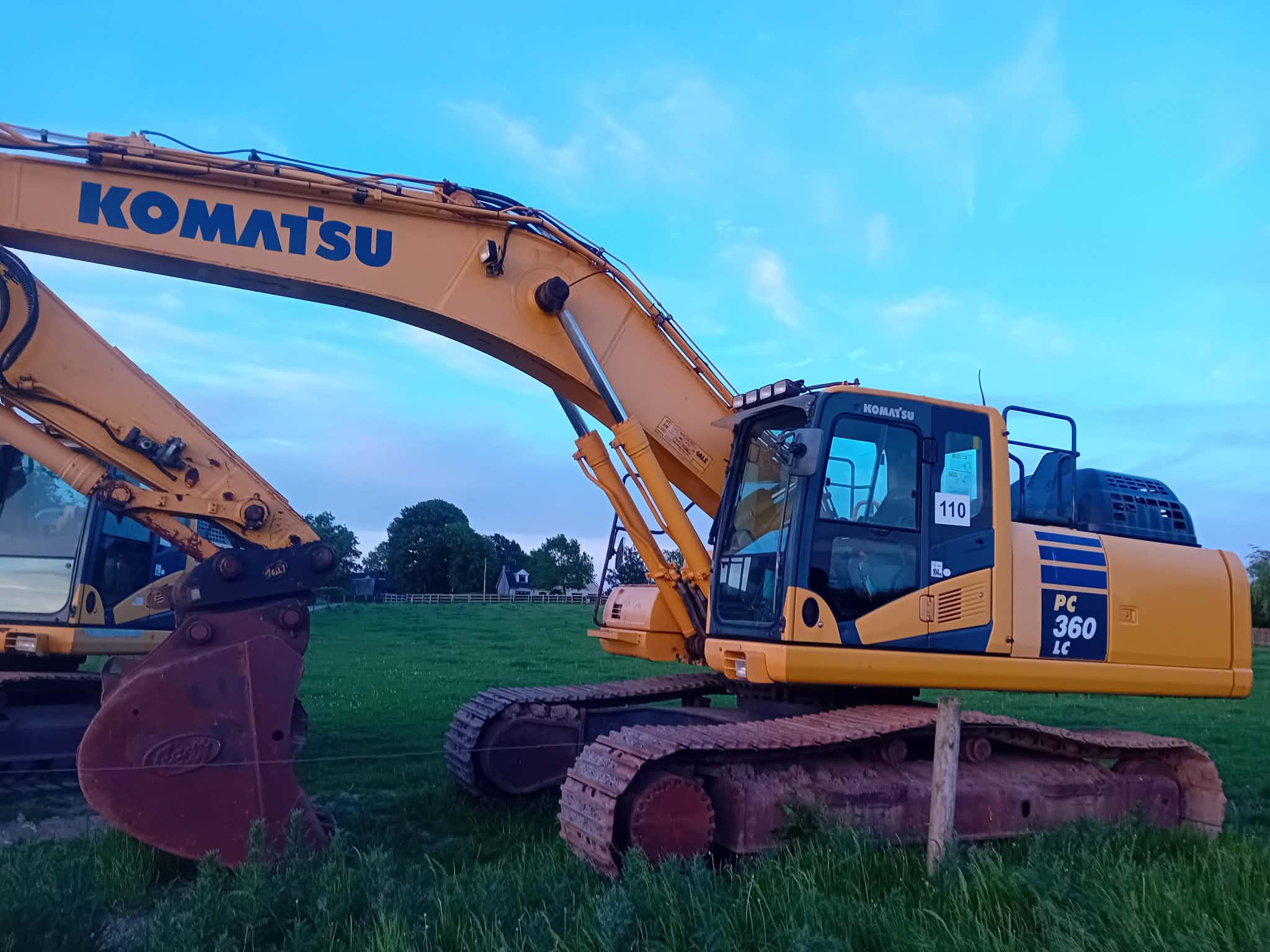
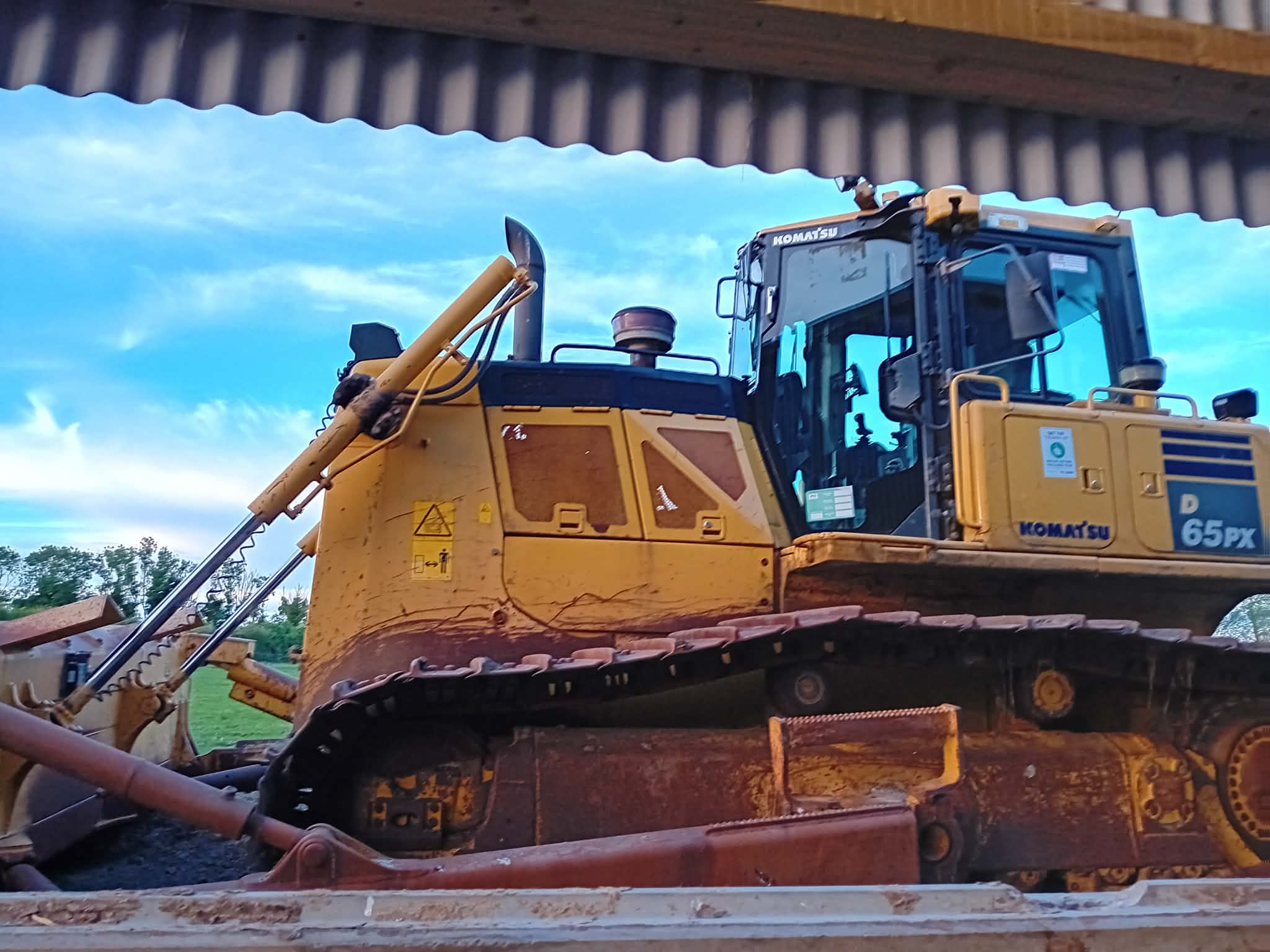
Demolition machinery works are the planned activities involved in using mechanical equipment to dismantle, reduce, remove, and clear buildings, structures, or other constructed elements. The work is carried out in a controlled sequence to make the site safe, manage debris, and prepare the area for renovation, construction, or redevelopment. Typical demolition machinery includes: Excavators: Used for dismantling structures, digging, lifting, and loading waste. Hydraulic breakers: Used to break concrete, masonry, foundations, and other hard materials. Demolition shears: Used to cut steelwork, reinforced concrete, and metal components. Grapples: Used to handle, sort, and remove structural materials. Concrete crushers: Used to reduce concrete into smaller pieces while limiting vibration. Loaders and dumpers: Used to move demolished materials around the site. Bulldozers: Used for pushing, spreading, levelling, and clearing debris. High-reach machines: Used to dismantle taller structures while allowing operators to work from a safer distance. Demolition machinery works may include the removal of roofs, walls, floors, slabs, foundations, hardstanding, roads, and other site structures. It can also involve selective demolition, where only specific parts of a building are removed while the remaining structure is protected. Before work begins, the site will be surveyed to identify structural risks, asbestos or other hazardous materials, underground services, overhead cables, restricted areas, and nearby buildings. A suitable work sequence, exclusion zone, traffic plan, dust-control measures, noise and vibration controls, and waste-management procedure should also be established. The main purpose of demolition machinery works is to remove structures efficiently and safely while reducing risks to workers, the public, surrounding property, and the environment. The work will be performed by competent operators using properly maintained machinery and appropriate safety procedures.
Machine Hire
Our Machinery hire is the temporary rental of construction, industrial, agricultural, or specialist equipment for an agreed period and price. It allows businesses, contractors, and individuals to use machinery without purchasing, storing, maintaining, or permanently owning it. Machinery available for hire may include excavators, loaders, dumpers, cranes, lifting equipment, breakers, and other specialist tools. Equipment can often be hired for a few hours, a day, several weeks, or a longer project period. The hire arrangement normally sets out the equipment supplied, rental duration, rates, deposit, delivery and collection arrangements, fuel requirements, operating conditions, insurance responsibilities, maintenance obligations, and procedures for reporting damage or breakdowns. Some machinery is supplied with an operator, while other equipment is hired for use by the customer’s trained and authorized personnel. Before hiring machinery, the customer should check that the equipment is suitable for the work, has the required capacity and attachments, is properly inspected and maintained, and can be safely operated on the site. The site should also be assessed for access, ground conditions, overhead obstructions, underground services, lifting restrictions, and environmental considerations. The purpose of machinery hire is to provide flexible access to suitable equipment while helping control project costs, avoid long-term ownership expenses, and match machinery availability to the duration and requirements of a particular job.